


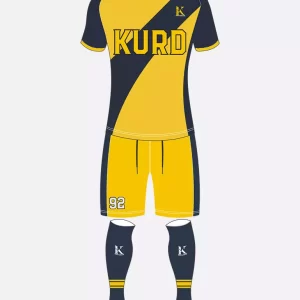
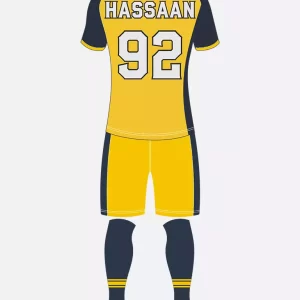
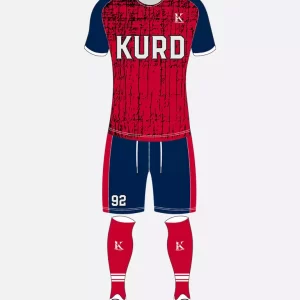
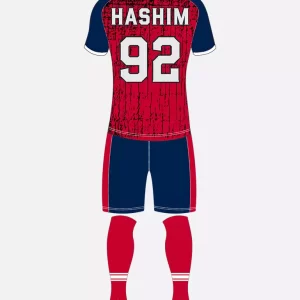
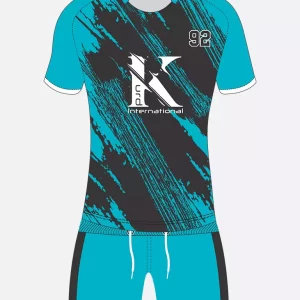
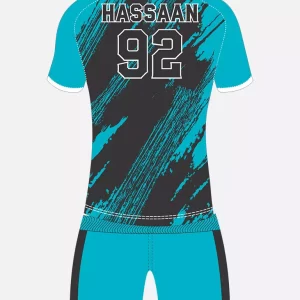
SUBLIMATION SOCCER KIT CURIOUS BLUE WITH TEXTURE KURD INTERNATIONAL BESPOKE SPORTSWEAR
Kurd International a soccer kit is far more than a uniform, it’s an essential part of the sport’s identity and evolution. From the pitch to the stands, from tradition to technology, the humble soccer kit continues to shape the beautiful game in ways both seen and unseen.
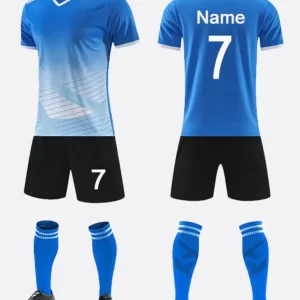
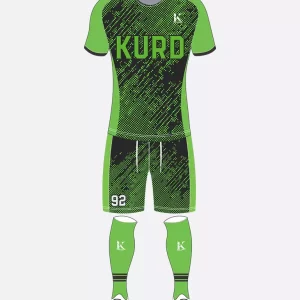
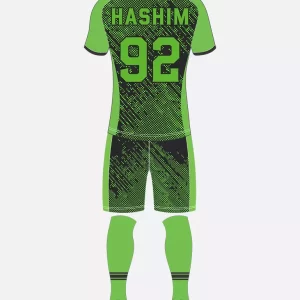
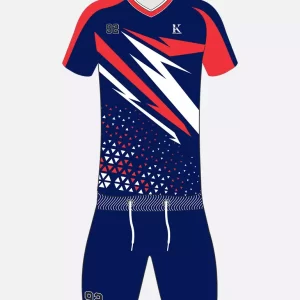
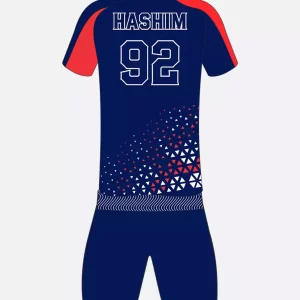
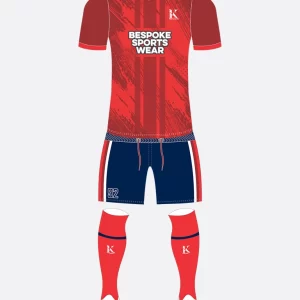
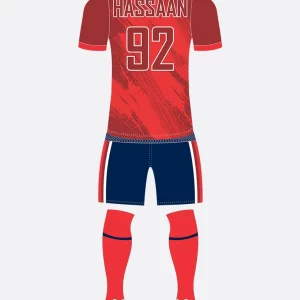
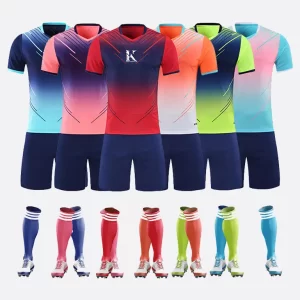
Whether you’re a player lacing up your boots or a fan wearing your team’s colors with pride, the kit connects you to the heartbeat of soccer. This is the most famous article Sublimation Soccer Kit Curious Blue With Texture. The colour scheme and design make it stand out from others.
Materials:
🔹 1. Polyester (Main Material)
-
Most widely used material in soccer kits.
-
Lightweight, strong, and moisture-resistant.
-
Wicks sweat away from the body (moisture-wicking), keeping players dry.
-
Easy to dye and print, making it ideal for team colors and logos.
🔹 2. Recycled Polyester
- Sustainable version of polyester.
-
Made from Eco-friendly, same performance.
-
Offers the same performance as virgin polyester but with lower environmental impact.
🔹 3. Elastane (Spandex/Lycra)
-
Added in small amounts (5–10%) to provide stretch and flexibility.
-
Helps the jersey move with the body, improving comfort and fit.
🔹 4. Nylon (Less Common)
-
Sometimes used in training wear or base layers.
-
Smooth and durable, but less breathable than polyester.
🔹 5. Mesh Panels
-
Made from open-weave polyester or nylon.
-
Strategically placed in high-sweat areas like the back or underarms for ventilation.
1. Components of a Soccer Kit
A standard soccer kit includes:
-
Jersey: The most recognizable part of the kit, the jersey displays the team’s colors, crest, and often sponsor logos. Jerseys are designed for maximum comfort and breathability, often using high-tech materials that wick away sweat.
-
Shorts: Made from lightweight, stretchable materials to allow free movement, matching the jersey in design.
-
Socks: These extend up to the knee and help hold shin guards in place. They are designed to offer compression and prevent slipping.
-
Cleats (Boots): Depending on the playing surface (grass, turf, or indoor), players wear different types of cleats for optimal grip and performance.
-
Shin Guards: Required for protection, these are worn under the socks to protect players’ lower legs from impact.
2. Evolution of Soccer Kits
Soccer kits have come a long way since the sport’s early days. In the late 1800s and early 1900s, kits were made of heavy cotton, which became soaked with sweat and rain. Over time, as sportswear technology advanced, kits became lighter, more comfortable, and more durable.
In the 1970s and 1980s, the introduction of synthetic materials like polyester revolutionized soccer apparel. This shift allowed for moisture-wicking, vibrant colors, and improved performance. Today, modern kits incorporate smart textiles that enhance breathability, regulate temperature, and even track biometric data in some elite settings.
3. The Role of Sponsors and Branding
Modern soccer kits often feature one or more sponsor logos. These sponsorships are crucial revenue streams for clubs and national teams. Iconic partnerships such as Manchester United with Adidas and Chevrolet, or Barcelona with Nike and Spotify show how deeply integrated branding has become in soccer culture.
Fans often purchase replica kits, which serve as both a fashion statement and a way to support their favorite team. Limited editions, third kits, and retro re-releases add to the appeal, with some jerseys becoming collector’s items.
4. Cultural and Emotional Significance
A soccer kit can represent much more than a team; it can embody a city, a nation, or a moment in history. For example:
-
The 1998 France World Cup kit is forever linked with their first World Cup triumph on home soil.
-
The black armband worn during matches is a subtle but powerful statement of mourning or solidarity.
-
Rainbow-themed numbers or patches are used to show support for LGBTQ+ communities.
Kits can also create rivalries. The red of Liverpool versus the blue of Everton is more than color, it’s a cultural divide.
5. Sustainability and the Future of Kits
As environmental concerns grow, many sportswear companies are turning to sustainable production methods. Adidas, Nike, and Puma have begun producing jerseys made from recycled plastics and eco-friendly materials. The push toward greener manufacturing not only helps the planet but also resonates with a socially conscious generation of fans.
In the future, we may see kits that adapt to weather conditions, enhance player performance with integrated sensors, or even allow real-time fan customization through augmented reality.
Reviews
There are no reviews yet.